

Beyond Smartphones: How Samsung’s AI Smart Glasses Could Redefine Wearable Technology
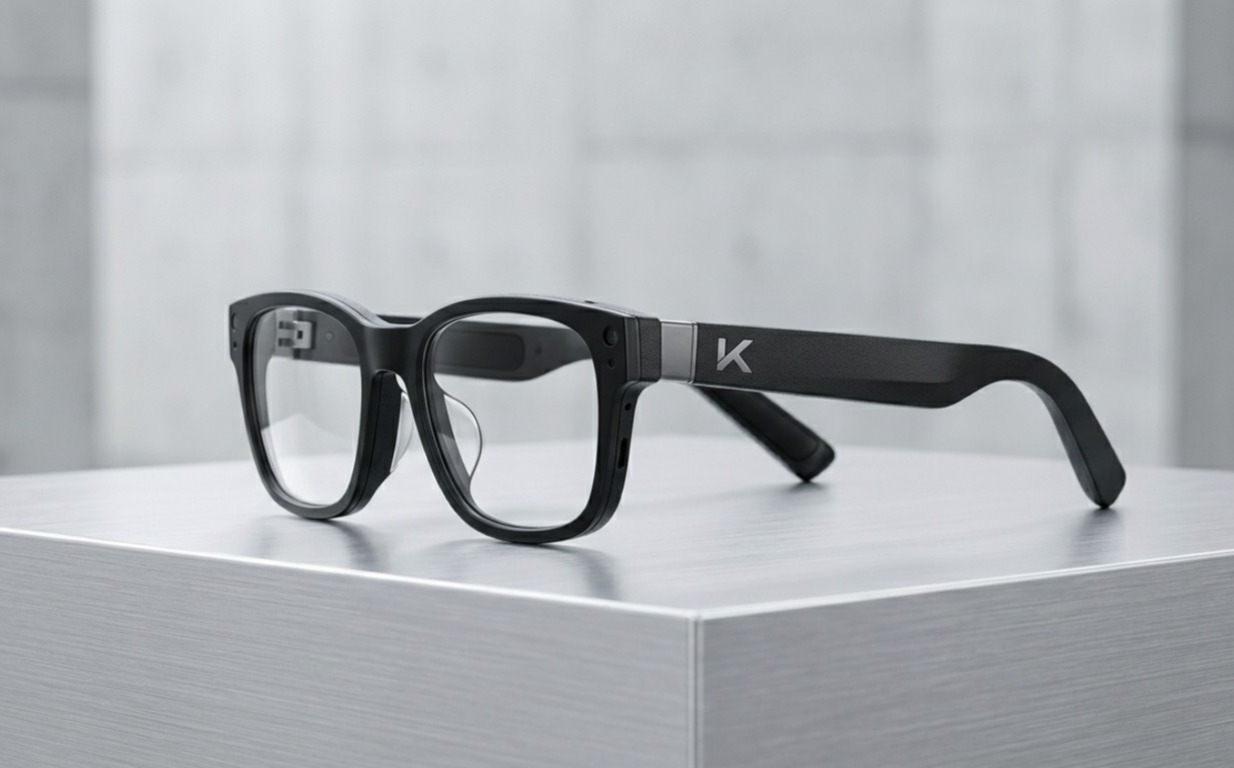
The next major shift in consumer technology may not fit inside a pocket — it could sit directly on your face. Samsung is reportedly developing a new generation of AI-powered smart glasses, signaling a renewed push into wearable technology.
After years of mixed success in the smart glasses market, advancements in artificial intelligence and augmented reality are creating fresh opportunities for wearable devices. Samsung’s latest move suggests that AI-integrated smart glasses could become the next major computing platform beyond smartphones.
The Return of Smart Glasses
Smart glasses have existed for years, but earlier versions struggled with limitations such as bulky designs, weak functionality, and limited real-world usefulness.
Now, improvements in:
- Artificial intelligence
- Miniaturized hardware
- Augmented reality (AR)
- Battery efficiency
are making wearable technology more practical and powerful than ever before.
Samsung’s AI smart glasses aim to combine these advancements into a device designed for everyday use.
What Makes AI Smart Glasses Different?
Unlike traditional wearable devices, AI-powered smart glasses are designed to function as intelligent assistants that interact with users in real time.
Potential features include:
AI-Powered Assistance
The glasses could provide:
- Real-time information and recommendations
- Voice-controlled interactions
- AI-generated summaries and notifications
- Instant translations and contextual assistance
Augmented Reality Integration
Users may be able to view digital information directly within their field of vision, blending virtual content with the real world.
Possible applications include:
- Navigation overlays
- Live notifications
- Interactive productivity tools
- Enhanced entertainment experiences
Smartphone Replacement Potential
One of the biggest long-term goals for smart glasses is reducing dependence on smartphones by allowing users to interact with technology more naturally and hands-free.
Why This Matters
Samsung’s entry into AI smart glasses reflects a broader industry trend toward ambient computing — technology that integrates seamlessly into daily life.
This shift focuses on:
- More natural human-device interaction
- Hands-free digital experiences
- AI assistance integrated into everyday activities
If successful, smart glasses could transform how people communicate, work, and consume information.
The Growing Competition in Wearable AI
Samsung is not alone in this race. Several major tech companies are investing heavily in AI-powered wearable devices.
The industry is increasingly focused on building:
- AI-enhanced wearables
- Mixed reality devices
- Spatial computing platforms
- Next-generation personal assistants
This growing competition suggests that wearable AI could become one of the most important technology categories of the coming decade.
Challenges Facing Smart Glasses
Despite the excitement, smart glasses still face several challenges:
- Battery life limitations
- Privacy concerns related to cameras and sensors
- Social acceptance of wearable devices
- High development and production costs
For widespread adoption, companies must balance functionality, comfort, and privacy.
Future Outlook
As AI technology continues to improve, smart glasses may evolve into highly capable everyday devices.
Future possibilities include:
- Real-time AI assistance throughout the day
- Seamless integration with smart environments
- Advanced augmented reality experiences
- Replacing smartphones for certain tasks
This could fundamentally reshape personal computing.
Conclusion
Samsung’s AI smart glasses represent more than just another wearable device — they signal a potential transformation in how humans interact with technology.
By combining artificial intelligence, augmented reality, and wearable computing, Samsung is helping push the industry toward a future where digital experiences are integrated directly into daily life.
The next evolution of technology may not happen on screens alone.
It may happen right before our eyes.