

Alibaba’s RynnBrain Gambit: A Bold Leap Into Open-Source Robotics AI
Introduction
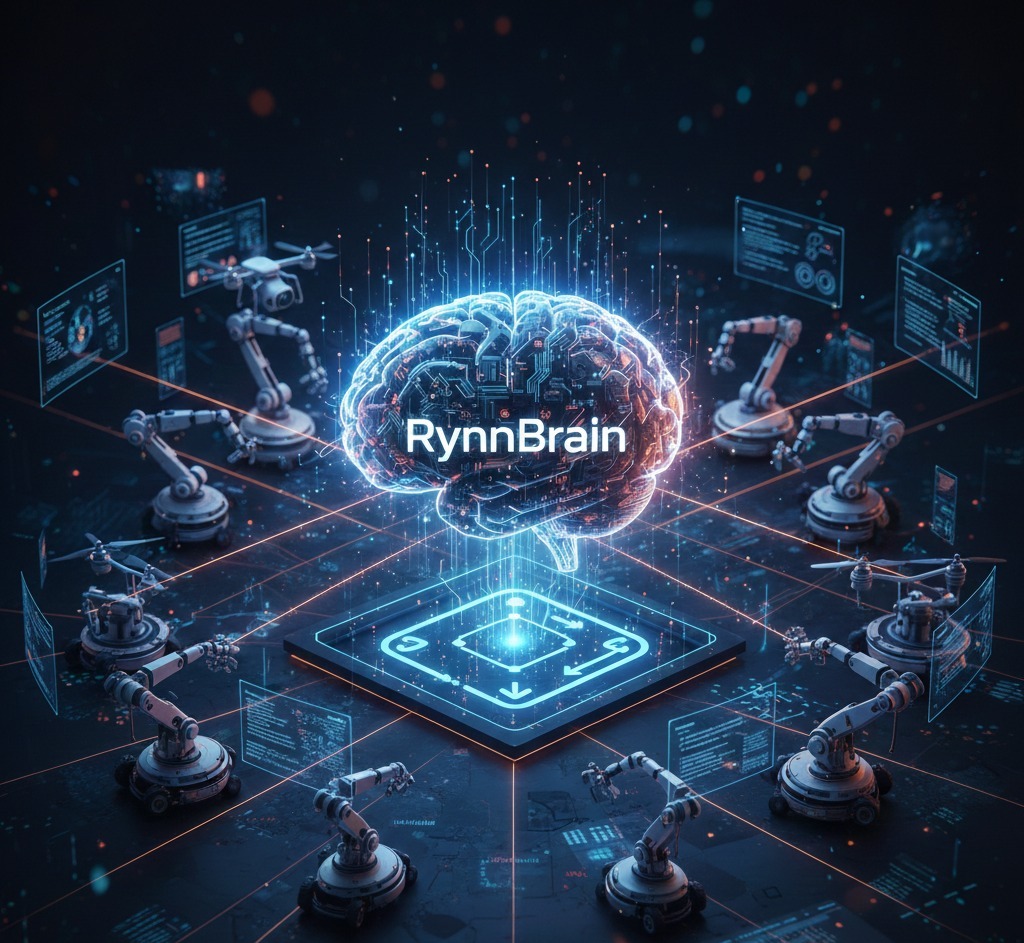
Alibaba has entered the global AI race with a powerful new initiative: RynnBrain, an open-source embodied AI model designed to bring advanced intelligence into physical machines. Announced by Alibaba’s DAMO Academy, RynnBrain represents a major step toward what experts call “physical AI” — artificial intelligence that doesn’t just process information on screens but actively interacts with the real world.
As competition intensifies between global tech leaders in AI and robotics, Alibaba’s move signals a strategic push to shape the future of intelligent machines.
What Is RynnBrain?
RynnBrain is an embodied AI foundation model that integrates:
- Visual perception
- Natural language understanding
- Action planning and control
Unlike traditional robotics systems that separate perception and movement into different modules, RynnBrain unifies them into a single system. This allows robots to understand instructions like “pick up the blue box” and autonomously identify, locate, and manipulate objects in complex environments.
In simple terms, RynnBrain helps robots see, think, remember, and act more like humans.
Key Features & Technical Strengths
1. Vision-Language-Action Integration
RynnBrain combines visual data, language commands, and physical execution. This integration enables robots to interpret real-world scenarios and respond intelligently.
2. Spatiotemporal Memory
One of its standout features is spatiotemporal memory, which allows robots to remember object locations and past actions over time — making them more efficient in dynamic environments.
3. Physical Reasoning Capabilities
The model is designed to understand physical interactions, such as object movement, spatial positioning, and environmental constraints.
4. Open-Source Accessibility
Alibaba has made RynnBrain openly available, encouraging developers, researchers, and startups worldwide to experiment and build upon the model.
Why Open-Source Is a Strategic Move
By open-sourcing RynnBrain, Alibaba aims to:
- Accelerate innovation in robotics AI
- Encourage global developer collaboration
- Establish influence in emerging AI standards
- Expand adoption beyond proprietary ecosystems
This approach mirrors the broader trend of open AI development, where shared innovation drives faster technological progress.
Industry Impact
Rising Global Competition
RynnBrain positions Alibaba alongside major players such as Google, Nvidia, and Tesla in the race toward advanced robotics and embodied intelligence.
Expansion of Physical AI
The release strengthens momentum toward robots that can operate in warehouses, factories, homes, and public spaces with greater autonomy.
China’s AI Strategy
The initiative aligns with China’s long-term vision to lead in robotics, automation, and advanced manufacturing technologies.
Challenges Ahead
Despite its potential, several challenges remain:
- Ensuring safe and reliable real-world deployment
- Managing high computational demands
- Addressing ethical and regulatory considerations
Like all robotics AI systems, real-world adaptability will determine long-term success.
Conclusion
Alibaba’s RynnBrain is more than just another AI model — it represents a significant milestone in the shift from digital AI to embodied intelligence. By combining vision, reasoning, and action within an open-source framework, Alibaba is positioning itself at the forefront of robotics innovation.
As AI continues to move from software to the physical world, initiatives like RynnBrain may define the next generation of intelligent machines.