

Meta Ray-Ban Smart Glasses 2025: The Future of Wearable AI Is Here
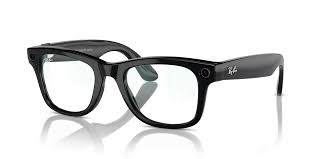
Meta’s bold vision of integrating AI seamlessly into daily life has taken a stylish leap forward with the latest generation of Ray-Ban Meta Smart Glasses. A powerful combination of iconic design, hands-free AI, and real-time computer vision, these glasses are no longer just a prototype of the future—they are the present.
From advanced live streaming features to immersive language translation and celebrity AI assistants, the new Meta Ray-Bans signal not just a product evolution but a new era in ambient computing.
What Are Meta Ray-Ban Smart Glasses?
Developed through Meta’s partnership with EssilorLuxottica, these smart glasses blend the timeless aesthetic of Ray-Bans with cutting-edge Meta AI features. At first glance, they look like your typical stylish sunglasses or clear Wayfarers. But hidden inside is a powerful array of technology that includes:
- A 12 MP wide-angle camera
- Open-ear speakers and five microphones
- Voice-activated Meta AI assistant
- Ability to livestream directly to Facebook or Instagram
- Real-time object recognition and language translation
- 4-hour usage per charge, with a charging case that provides up to 32 hours
All of this without needing to pull out your phone. The experience is frictionless, intuitive, and, in many cases, magical.
What Can These Glasses Actually Do?
Here’s a breakdown of the standout features that make these glasses more than just wearable tech—they’re smart, responsive, and situationally aware:
Meta AI with Vision
Meta’s built-in assistant now responds not only to voice but to visual cues. Point your glasses at something and ask:
- “What building is this?”
- “Translate that sign.”
- “Who sings this song?”
This is context-aware computing in action.
Livestream and Capture Moments Instantly
Tap or voice command to take photos, videos, or go live on social media. For content creators, this is a game-changer—completely hands-free storytelling.
Real-Time Translation
Perfect for travel or international communication, the glasses support:
- French
- Italian
- Spanish
And more languages on the way.
They listen, interpret, and speak back translations—ideal for navigating new environments.
Music and Voice Enhancements
- Adaptive volume control
- Music ID: “What’s this track?”
- Celebrity voice assistants: John Cena, Naomi Osaka, and more.
Meta is turning its AI into not just a tool, but an experience.
Global Rollout and Expansion Plans
Meta’s ambitions for its smart glasses extend far beyond the U.S. market. Since their initial release, Meta has been strategically expanding access to the Ray-Ban Smart Glasses across Europe, Asia, and parts of Latin America. This global push is not just about product availability but about building an ecosystem of AI-driven experiences tailored to diverse cultural and regional needs. In key regions like France, Germany, Italy, Japan, and South Korea, Meta has launched localized language support, ensuring that the AI assistant understands and responds in the user’s native tongue. This level of customization is vital for meaningful interaction, especially when features like real-time translation, visual search, and context-aware responses are at the core of the user experience.
In tandem with expanding its geographic footprint, Meta is also ramping up production at an aggressive pace. As of mid-2025, Meta has reportedly surpassed 2 million global units sold, with a roadmap that aims to scale to 10 million units annually by 2026. To achieve this, Meta is investing heavily in manufacturing partnerships and streamlining logistics operations to reduce delivery timelines and meet growing demand. Interestingly, the company is also working closely with telecom partners and retail chains in various countries to bundle these glasses with mobile data plans or smart home packages—making them more affordable and accessible. This strategy mirrors how smartphones first gained widespread adoption and reflects Meta’s desire to position smart glasses as the next major consumer tech platform.
Moreover, Meta is responding to regional trends by integrating country-specific features and support. For instance, in multilingual countries like India and Switzerland, the smart glasses are being tested with multi-language switching in real time, a feature that has huge potential in educational and business contexts. In Asia, where wearable tech has historically enjoyed a strong following, Meta is exploring AR-enhanced commerce, allowing users to receive visual overlays of product information or reviews while shopping. These global adaptations show that Meta isn’t taking a one-size-fits-all approach—it’s actively reshaping the experience to resonate with local digital behaviors and daily needs, solidifying its place in the evolving landscape of wearable AI.
Who Are These Glasses For?
- Tech enthusiasts who want cutting-edge functionality without bulky devices
- Content creators who need to record on the go
- Travelers and multilingual users who benefit from real-time translation
- Remote workers and students needing seamless access to info while on the move
- And anyone who wants to experience the early stages of augmented intelligence in everyday life.
The Road Ahead
Meta Ray-Ban Smart Glasses represent a compelling step forward in wearable AI. They’re not just a novelty—they’re a real, usable, and continually improving platform. With a growing app ecosystem, better international support, and upcoming generational upgrades, these glasses could soon be as essential as your phone.
For now, with the price drop and expanded capabilities, there’s never been a better time to try them out.