

OpenAI Secures $200M U.S. Defense Contract: What It Means for AI and National Security
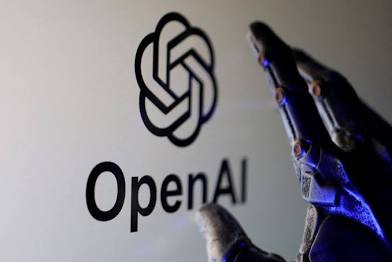
In a landmark move that’s shaking up the intersection of AI and government defense, OpenAI has been awarded a $200 million contract by the U.S. Department of Defense (DoD). This deal marks OpenAI’s most significant public-sector engagement to date and signals a broader shift in how advanced AI is being integrated into national security infrastructure.
From Chatbots to Cybersecurity: What the Contract Covers
While OpenAI is best known for ChatGPT and its consumer-facing AI models, the $200 million deal expands its remit into classified government work. According to reports from The Verge and Bloomberg, the partnership will focus on:
- Cybersecurity tools to protect government networks
- Logistics optimization in military and medical deployments
- Secure communication models using generative AI
- Potential intelligence analysis capabilities
Unlike previous OpenAI policies, which prohibited military use of its technologies, the company has amended its usage guidelines to allow defense applications that are “non-lethal” and intended to promote safety, resilience, and national interest.
Why This Is a Pivotal Moment
This isn’t just another defense contract—it’s a watershed moment in AI governance and public-private collaboration. Here’s why:
- Policy Shift: OpenAI’s revised rules show a softening of the strict ethical lines once drawn around military AI.
- Government Trust: The DoD trusting OpenAI with mission-critical operations is a strong endorsement of its technical credibility and security posture.
- AI for Good (and War?): While the contract is currently for non-combat use, critics warn this could be a gateway to future military applications.
The AI Arms Race Heats Up
The deal arrives at a time when the AI arms race is intensifying globally. Nations are scrambling to harness artificial intelligence for both economic and strategic advantages. The U.S. has doubled down on securing AI partnerships with leading tech firms, including OpenAI, Anthropic, and Palantir.
Meanwhile, rivals like China and Russia are also advancing AI-based military tools, making these U.S. collaborations not just valuable—but necessary.
Mixed Reactions from the Tech and Ethics Communities
The announcement has sparked debate across tech circles. Some hail it as a pragmatic step forward, while others voice concern:
- Supporters say: It’s better for responsible players like OpenAI to lead this space than leave it to opaque, unchecked systems.
- Critics argue: The line between “non-lethal” and military use is blurry. Ethical AI principles may be compromised under government pressure.
What’s Next?
OpenAI has stated that any defense applications will go through rigorous safety checks and will not involve direct combat operations. Still, with this contract, the company enters a complex new chapter—balancing innovation, ethics, and national interest in equal measure.
Expect further updates in the coming months as the project unfolds and the first AI-powered solutions are deployed in real-world defense scenarios.