
The Rise of Intelligent Machines: Inside the EngineAI T800 Humanoid Robot
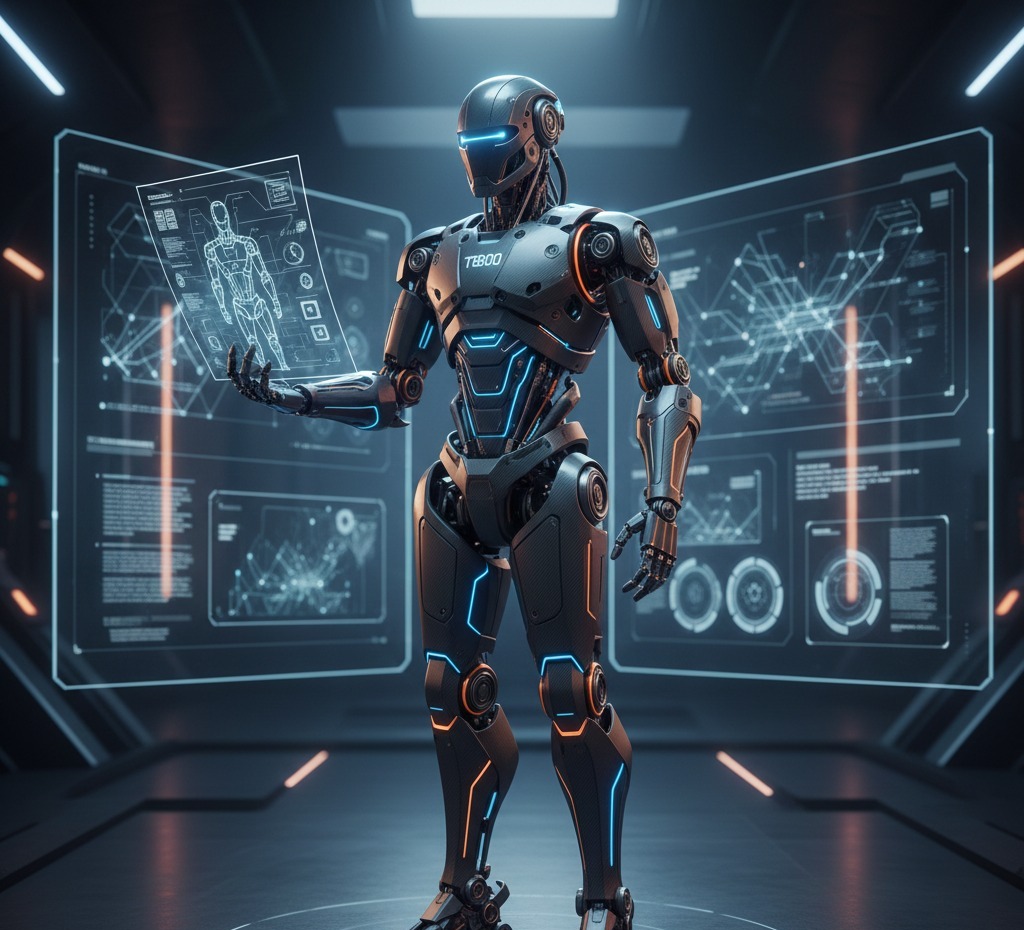
The world of robotics is moving faster than ever, and one of the newest names gaining attention is the T800 humanoid robot developed by EngineAI. Designed to blend advanced artificial intelligence with human-like mobility, the T800 represents a bold step toward a future where robots are not just tools—but collaborators.
Let’s explore what makes this humanoid machine so significant.
A New Generation of Humanoid Robotics
Humanoid robots have long been a symbol of futuristic innovation. What sets the T800 apart is its focus on real-world practicality combined with advanced AI integration.
Unlike earlier humanoid prototypes that were mostly research projects, the T800 is being positioned for mass production and commercial deployment. This signals a shift from experimental robotics to scalable industrial solutions.
🦾 Key Features of the T800
While detailed technical specifications continue to emerge, here are the standout aspects that make the T800 noteworthy:
1️⃣ Human-Like Mobility
The T800 is engineered with advanced joint systems that allow smooth walking, balanced posture, and coordinated arm movement. This makes it capable of navigating environments built for humans.
2️⃣ AI-Powered Intelligence
Equipped with AI-based perception systems, the robot can:
- Recognize objects
- Understand surroundings
- Make real-time decisions
- Perform assigned tasks with minimal supervision
This combination of physical agility and intelligent processing is critical for modern robotics applications.
3️⃣ Industrial & Service Applications
The T800 is designed for use in:
- Warehouses and logistics
- Manufacturing environments
- Data center operations
- Service roles requiring repetitive or hazardous tasks
By performing physically demanding or risky work, humanoid robots like the T800 could improve workplace safety and operational efficiency.
🌍 Why the T800 Matters
The development of the T800 reflects three major trends in global technology:
1. Shift Toward Automation at Scale
Industries worldwide are accelerating automation to reduce costs and increase productivity. A humanoid robot that can adapt to existing human-designed spaces offers a practical advantage.
2. AI + Robotics Convergence
Robotics is no longer just mechanical engineering. The fusion of AI, computer vision, and machine learning enables robots to act with increasing autonomy.
3. Commercial Viability
Mass production indicates confidence in demand. If successful, the T800 could compete in a growing humanoid robotics market projected to expand rapidly over the next decade.
Challenges Ahead
Despite the excitement, several challenges remain:
- High production costs
- Energy efficiency and battery life
- Safety regulations
- Public acceptance of humanoid robots
The success of the T800 will depend not only on technology—but also on economics and regulation.
The Bigger Picture
The T800 is more than just another robot—it represents a future where humanoid machines may become part of daily industrial operations. While we are not yet at the stage of robots fully replacing human workers, collaborative robotics is becoming increasingly realistic.
If EngineAI’s vision succeeds, we may soon see humanoid robots working alongside humans in factories, warehouses, and beyond.
Final Thoughts
The EngineAI T800 signals that humanoid robotics is moving from science fiction into practical reality. As AI systems grow smarter and hardware becomes more efficient, robots like the T800 could redefine how industries operate in the coming years.