

Tesla’s Optimus Robot Moves Closer to Reality with Expanded Real-World Tasks
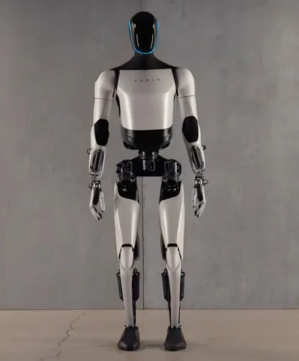
Humanoid robots are rapidly evolving from futuristic concepts into practical machines capable of performing real-world work. One of the most closely watched projects in this space is Tesla’s Optimus robot, which continues to demonstrate increasingly advanced capabilities in logistics, manufacturing, and automation.
Recent demonstrations and developments show that Tesla is pushing Optimus beyond basic prototypes and toward real operational use cases, signaling a major step forward in the future of AI-powered robotics.
What Is Tesla Optimus?
Optimus, also known as the Tesla Bot, is a humanoid robot designed to perform repetitive, dangerous, and physically demanding tasks. The project was first introduced as part of Tesla’s broader AI and automation vision.
Unlike traditional industrial robots that remain fixed in one place, Optimus is designed to move and operate in environments built for humans.
Expanding Real-World Capabilities
Tesla has recently showcased Optimus performing a wider range of practical tasks, particularly in factory and logistics environments.
Reported and demonstrated capabilities include:
- Sorting and handling components
- Carrying and moving objects
- Assisting with warehouse-style operations
- Performing quality inspection tasks
- Manipulating delicate items with improved dexterity
Tesla has also highlighted improvements in mobility, balance, and object handling, showing how the robot is becoming more adaptable to real industrial settings.
Smarter Hands and Better Movement
One of the biggest advancements in recent Optimus versions is the improvement in robotic hand functionality.
The latest generations feature:
- More human-like finger movement
- Increased precision and flexibility
- Better object grip and manipulation
- Enhanced tactile control for delicate tasks
These upgrades are critical because fine motor skills are one of the most difficult challenges in humanoid robotics.
AI at the Center of the Robot
What makes Optimus different from many traditional robots is its deep integration with AI systems.
Tesla is leveraging technologies related to:
- Computer vision
- Neural networks
- Autonomous decision-making
- Real-time environmental awareness
The long-term goal is to create robots that can learn tasks, adapt to environments, and eventually operate with minimal human supervision.
Why This Matters
The progress of Optimus reflects a much larger industry trend:
The Rise of Physical AI
AI is no longer limited to chatbots and software systems. Companies are now embedding intelligence directly into physical machines capable of interacting with the real world.
This could transform industries such as:
- Manufacturing
- Warehousing and logistics
- Retail operations
- Healthcare assistance
- Home automation
Tesla’s Bigger Vision
Tesla’s ambitions for Optimus appear to go far beyond factory work. CEO Elon Musk has repeatedly described humanoid robots as one of the company’s most important future products.
Some reports even suggest Tesla is increasing manufacturing focus on robot production infrastructure, signaling how seriously the company views the humanoid robotics market.
Challenges Still Ahead
Despite the progress, significant challenges remain before humanoid robots become mainstream.
These include:
- High production costs
- Safety and reliability concerns
- Battery efficiency limitations
- Difficulty handling unpredictable environments
- Questions around workforce impact and regulation
Industry experts also note that large-scale real-world deployment is still in early stages.
Future Outlook
As AI and robotics continue to advance, humanoid robots like Optimus could become increasingly common in workplaces and eventually homes.
Future developments may include:
- Fully autonomous task learning
- Human-robot collaboration in industries
- More affordable mass-produced humanoid robots
- AI-powered assistants for everyday life
The next decade could determine whether humanoid robots remain specialized tools — or become part of daily society.
Conclusion
Tesla’s expanding work on Optimus highlights how quickly humanoid robotics is evolving from concept to reality. With improvements in AI, movement, and dexterity, the robot is gradually moving closer to performing meaningful real-world tasks.
While challenges remain, Optimus represents a glimpse into a future where intelligent machines may work alongside humans in ways that once seemed impossible.